

Written by Thomas Melto, CEO of LinkScale. Last updated September 5, 2026.
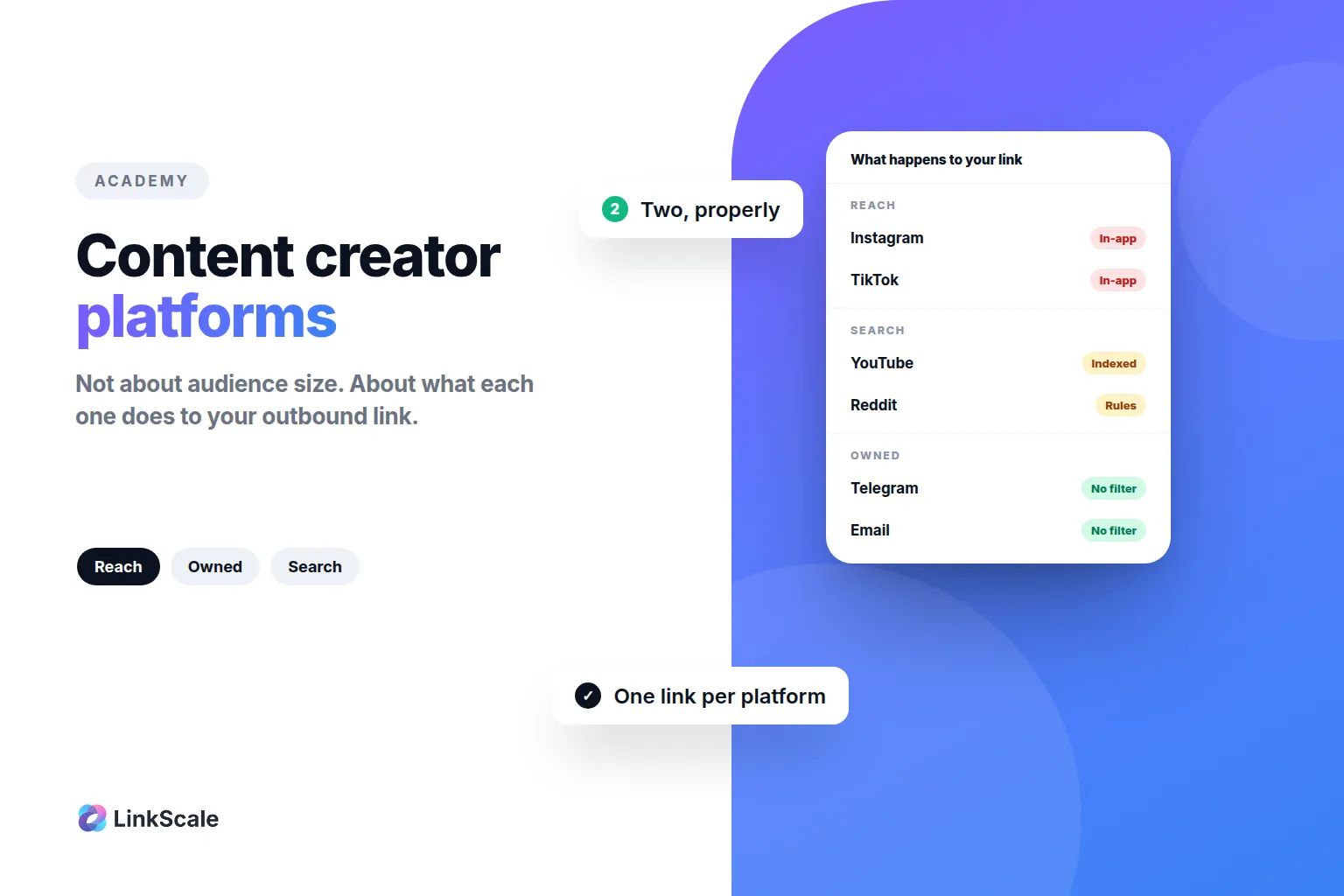
Content creator platforms fall into three groups, and picking between them is less about audience size than about what each one does to your outbound link. Instagram and TikTok give you reach but restrict where you can send people. Telegram and email give you a direct channel with no algorithm in between. Reddit and YouTube sit in the middle, with rules that reward being useful and punish being promotional.
Pick two, learn them properly, and treat the third group as your owned channel. Here is how each one behaves.
How to choose your platforms
Start from the destination, not the platform
The usual advice is to pick a platform by where your audience is. That is incomplete, because it ignores what happens after the tap.
Ask instead: where do people need to end up, and what does this platform do to a link pointing there? A platform with huge reach that mangles your link is worth less than a smaller one that hands the visitor to their real browser already logged in.
Two platforms done properly beat five done badly. That is not a motivational line, it is a scheduling reality: each platform has its own format, its own posting rhythm and its own comment culture, and none of that transfers.
The three groups
Reach platforms. Instagram, TikTok, X. Large audiences, algorithmic distribution, and the tightest constraints on outbound links.
Owned channels. Telegram, email, SMS. No algorithm deciding who sees you, and no link restrictions worth mentioning. Much harder to grow.
Search and community platforms. YouTube, Reddit, Pinterest. Slower, but the content keeps working for months instead of hours, and both YouTube descriptions and Reddit comments are indexed.
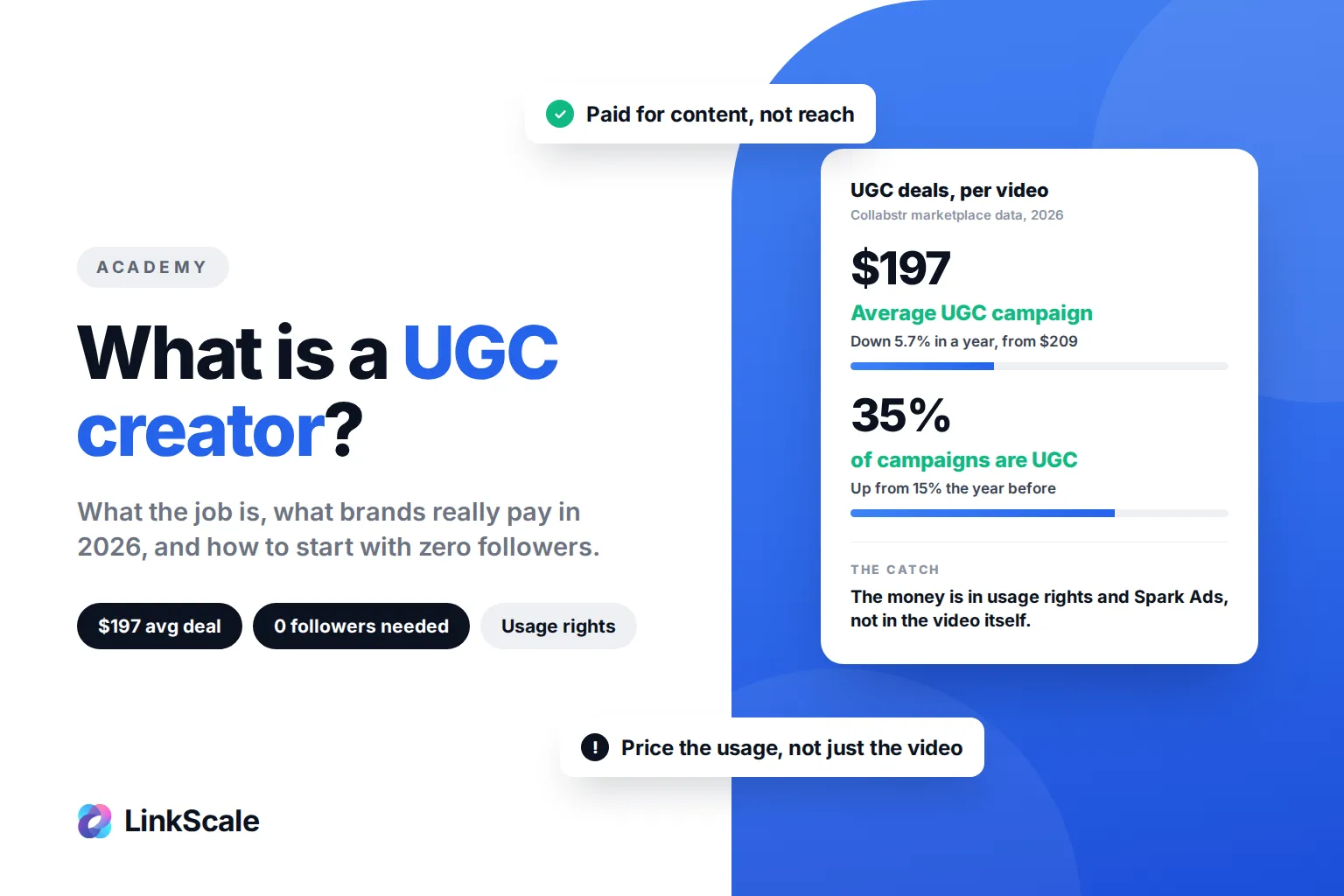
The mistake almost everyone makes is living entirely in the first group. Reach you do not own can be reduced at any time by a change you were not consulted on. If you would rather make content for brands than build reach of your own, the UGC creator route works differently, because the brand publishes the videos on its own accounts. And if you are considering letting someone else run your accounts, read what an OnlyFans agency is, what it takes and what to check before signing anything.
What each platform does to your link
| Platform | Link in profile | Link in posts | What it does to the click |
|---|---|---|---|
| One field | No clickable links in captions | Opens in the in-app browser by default since March 2026 | |
| TikTok | One field, conditional | No clickable links in captions | In-app browser, and the field is not available to every account |
| X | One field | Links allowed in posts | In-app browser on mobile, reduced distribution on some outbound links |
| YouTube | Multiple links | Description links clickable | Opens in the in-app browser, description is indexed |
| Profile link | Links allowed, self-promotion limited by subreddit | Real browser on desktop, in-app on mobile | |
| Telegram | Bio link | Links allowed everywhere | Opens in Telegram's browser, no filtering |
| One field | Every pin carries a link | Real browser more often than most |
The in-app browser problem, in one paragraph
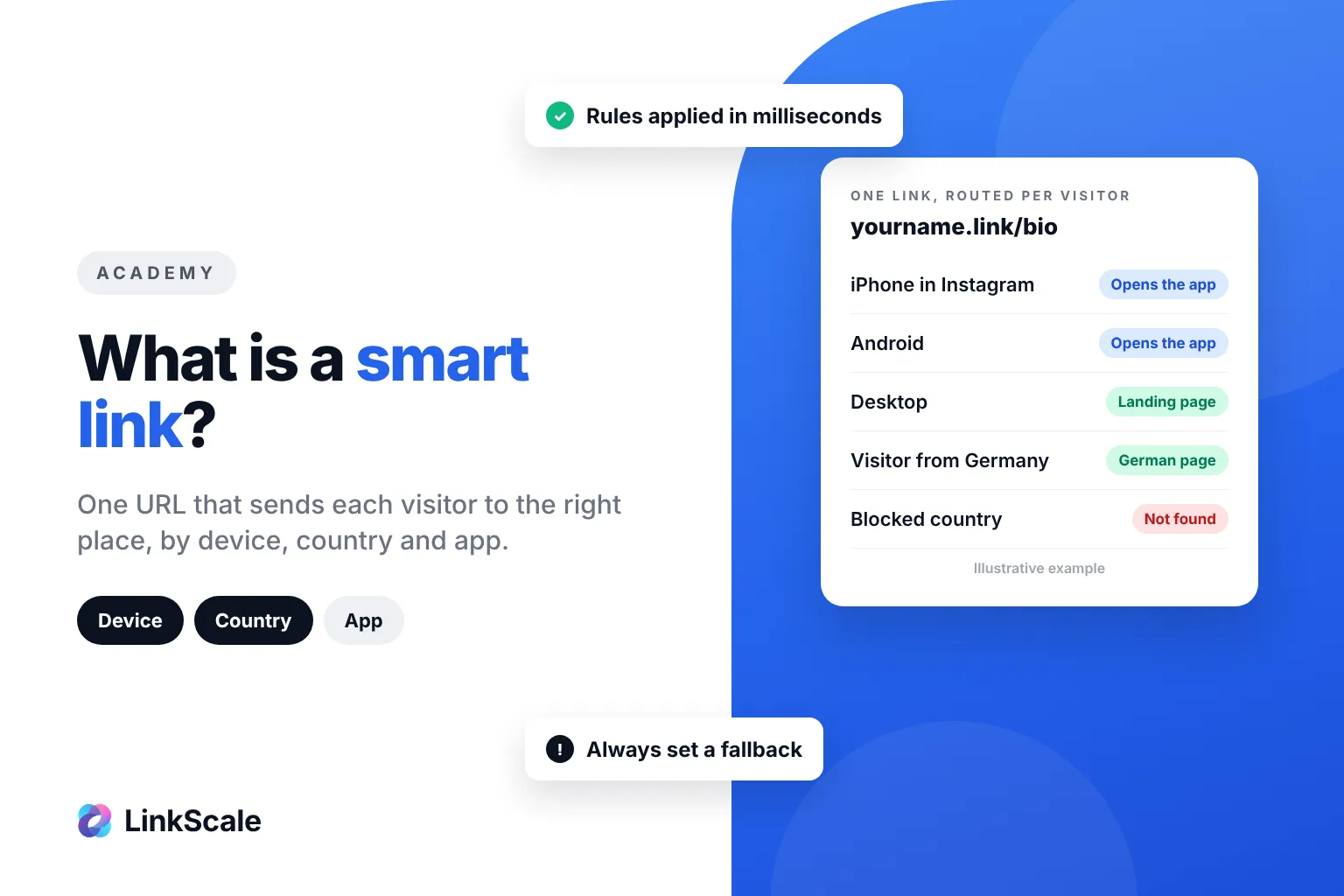
Almost every row above says in-app browser, and that is the single most expensive detail on this page. A visitor inside an app's own browser arrives without their session: not logged in, no saved passwords, no stored payment method. If your destination needs any of those, most of them leave.
In a LinkScale study across several thousand Instagram accounts, links that handed the visitor off to their own browser reached 71% conversion on the destination platform. The mechanics are in what is a deep link.
Still the best place to build a recognisable identity, and still the most restrictive about where you send people.
What works
Reels for reach, carousels for saves, stories for the audience you already have. The profile is the conversion surface, not the feed, which is why the bio does more work than people give it credit for. We cover that in how to write an Instagram bio.
What to watch
Instagram publishes your own restriction state in the app, under Settings and then Account: Account StatusOpens in a new tab tells you whether your content is currently eligible to be recommended to non-followers, and lets you request a review. Check it before changing anything, because most people spend a week guessing at something the app would have told them in thirty seconds.